AI and the Divergent Mind: How Artificial Intelligence Empowers Creative Leadership in a Complex World
GLG Insights | Verônica Grigoletto | November 25, 2025
Artificial Intelligence is reshaping how organizations think, operate, and grow. Yet beyond automation or analytics, its most powerful potential lies in how it expands human creativity.
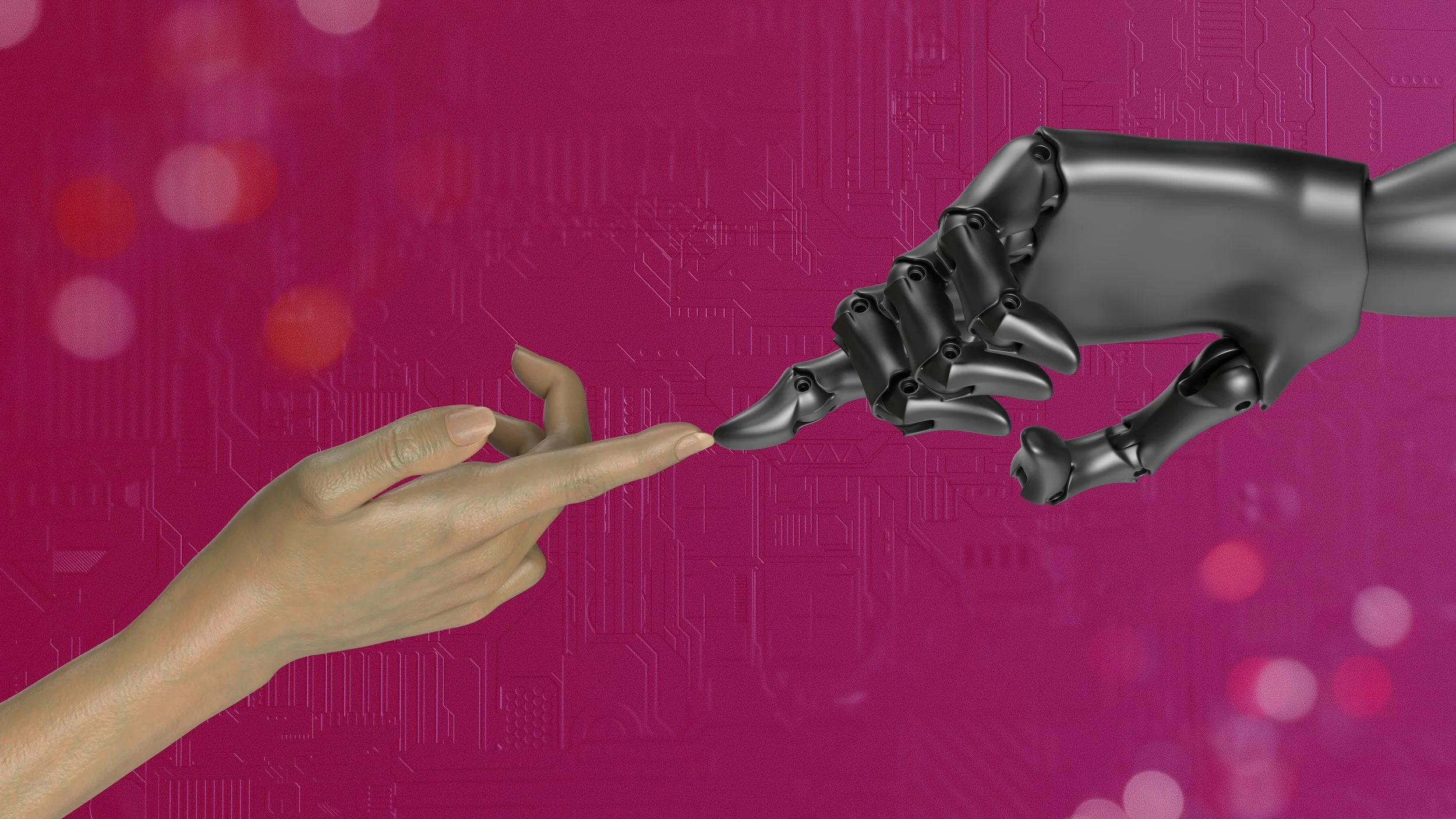
Picture by Igor Omilaev/Unsplash
In today’s global economy, where market, cultural, and political conditions shift faster than strategies can be rewritten, the organizations that will lead are those that combine machine precision with human imagination. And no group benefits more from this partnership than divergent thinkers: the innovators, strategists, and leaders who connect dots others don’t see.
In this article, we explore how AI amplifies divergent thinking, what that means for leadership, and how forward-looking institutions can build systems that turn creativity into strategy.
Innovation Under Pressure: The Global Challenge
Across industries, executives face a shared tension: AI creates infinite potential, but its speed and scale can overwhelm decision-making. Companies eager to move fast often end up prioritizing efficiency over exploration, missing the deeper value that creativity brings.
This is especially true in an era defined by geopolitical uncertainty and shifting economic alliances. Global leaders, from tech to public affairs, must now manage both technological transformation and cultural complexity. The question isn’t whether to use AI, but how to use it to think better, not just faster.
That’s where the concept of the divergent mind becomes essential.
What Makes a Divergent Thinker
Before diving into how AI enhances creativity, it’s important to understand the people driving it. Divergent thinkers approach challenges by expanding what’s possible. Instead of following linear paths, they explore multiple directions, connect ideas across disciplines, and reframe constraints as opportunities for growth.
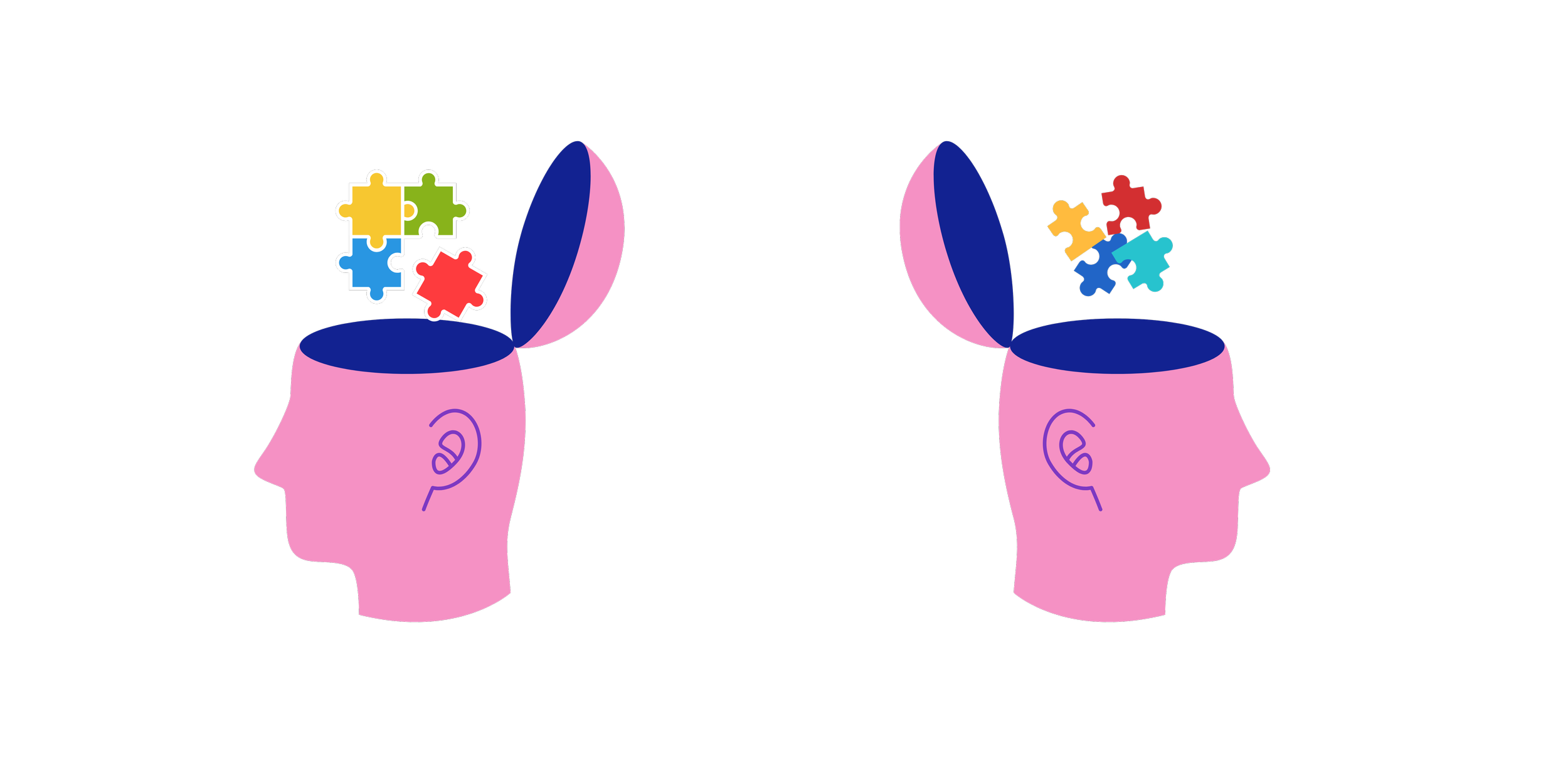
Research describes this as one-half of the creative process. The other half, convergent thinking, narrows ideas into focus, building structure and execution. The healthiest organizations rely on both. Divergent thinkers expand the horizon; convergent thinkers build the bridge.
However, many corporate systems unintentionally suppress divergence. Workflows designed for predictability can silence voices that question convention. That’s where AI becomes not a disruptor, but a strategic ally, giving structure to creativity without limiting it.
AI as a Catalyst for Strategic Creativity
A recent OpenAI experiment called Ideation offers a glimpse into this potential. The tool uses divergent-thinking methods to generate creative ideas, with the human guiding which paths are worth exploring. The result isn’t randomness; it’s rhythm, a conversation between algorithmic breadth and human judgment.
This mirrors what successful organizations already strive for: balancing data-driven insight with intuitive leadership. When used intentionally, AI can help executives create that balance by turning abstract thinking into scalable systems.
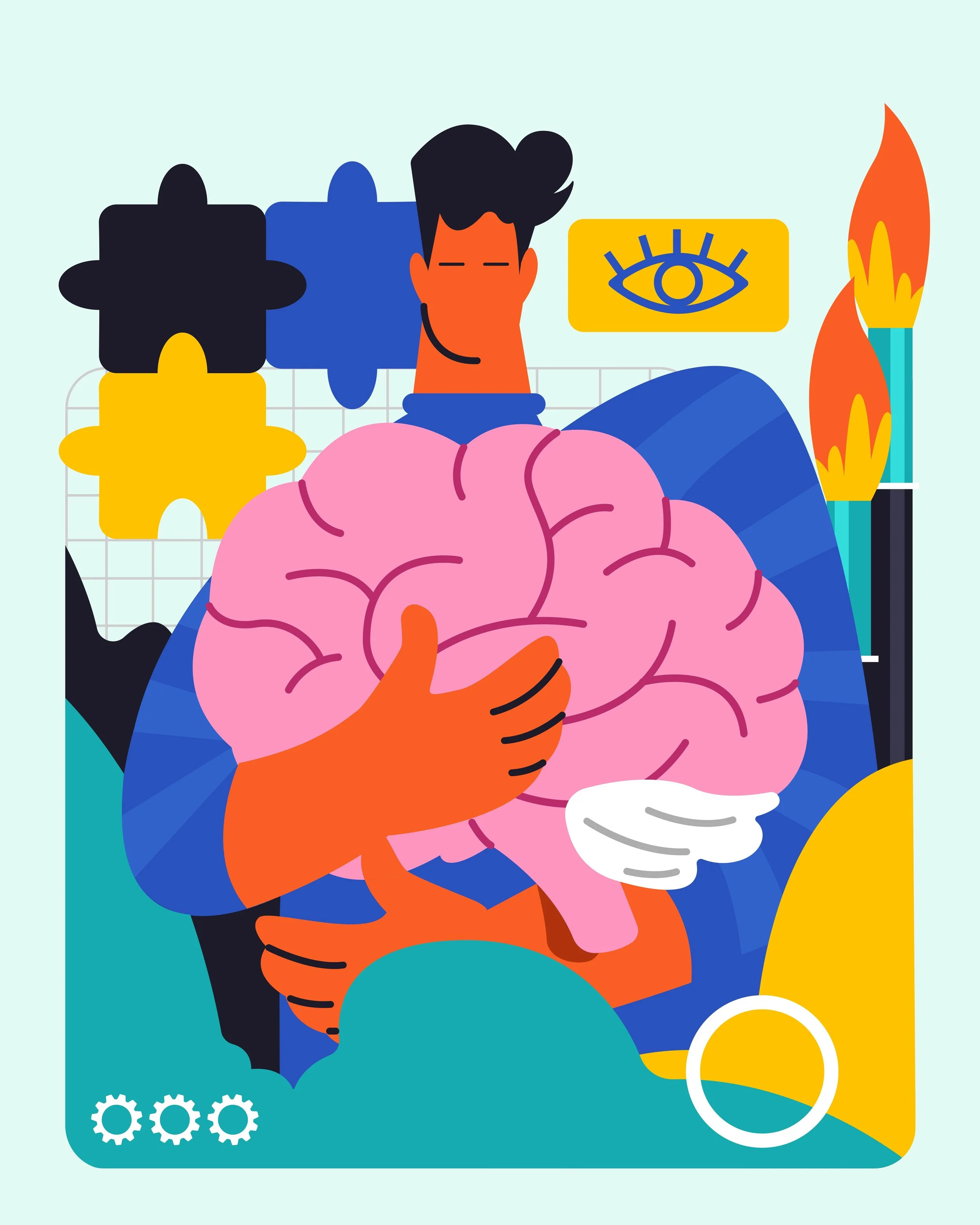
Picture: Masantocreative/Unsplash
Here’s how leaders can start integrating this mindset across their teams:
Expand Creative Bandwidth – Let AI handle idea volume so your teams can focus on refinement and real-world impact.
Balance Divergence and Convergence – Alternate between exploration and evaluation cycles to prevent stagnation.
Build Culturally Intelligent Systems – AI reflects the inputs it’s given; inclusive, diverse teams generate more resonant outcomes.
Reward Curiosity as Performance – Create safe environments for experimentation, where creative risk is encouraged and rewarded.
Evaluate with Intention – Use human judgment to turn AI-generated ideas into actionable, mission-aligned strategies.
From Creativity to Strategy: Designing for Divergent Minds
Leaders around the world are realizing that innovation requires more than new tools; it needs new organizational design. As AI accelerates, institutions must intentionally create environments where creativity and structure coexist.
That means embedding creativity into core business systems:
Reframing leadership development around empathy, adaptability, and experimentation.
Building feedback loops that connect employee insight with strategic decision-making.
Aligning corporate culture so creativity scales alongside performance.
When divergent minds thrive, organizations become more agile, more inclusive, and ultimately, more resilient in the face of global complexity.
GLG’s Perspective: Turning Insight Into Impact
At Glass Ladder Group, we help institutions and executives bridge the gap between innovation and alignment. Our advisory work integrates cultural intelligence, organizational foresight, and creative strategy, so leaders can turn complexity into clarity.
We partner with global teams to:
Recalibrate leadership systems for innovation and foresight.
Align culture and communication around purpose and performance.
Build frameworks that connect human creativity with technological capability.
The problem isn’t that organizations lack ideas; it’s that they lack the structure to sustain them. AI gives us the tools, but divergent leadership gives those tools direction.
Artificial Intelligence is not replacing human creativity; it’s expanding what’s possible when humans think boldly and lead intentionally.
For modern executives, the goal isn’t simply to keep up with AI; it’s to use it to see further, to build smarter, and to lead with empathy in an interconnected world.
If your organization is ready to align innovation with cultural intelligence, GLG can help you turn insight into impact, designing systems where technology and humanity move forward together.